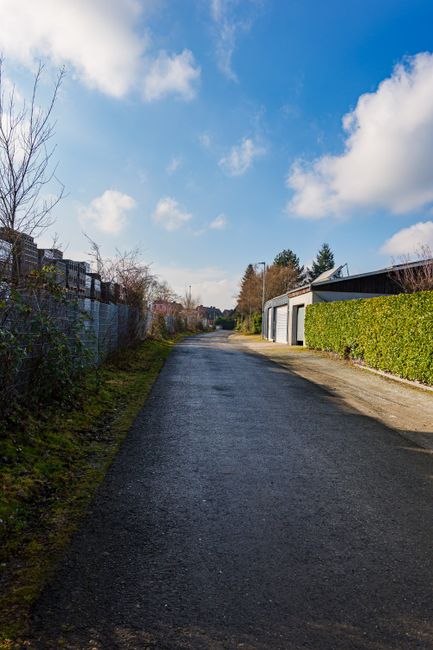
Common problems with driveway access for North Ockendon gardeners
If you've ever watched a gardener arrive, pause at the gate, and then do that quiet little scan for somewhere to park, you already know the issue. Common problems with driveway access for North Ockendon gardeners can slow a job down before the first hedge is trimmed or the first bag of green waste is lifted. It affects timings, equipment handling, costs, and sometimes even what work can be done safely on the day.
In North Ockendon, driveway access can be tight, awkward, shared, blocked, or just not as straightforward as it looks from the road. That matters more than people think. A mower, a hedge trimmer, a wheelbarrow full of clippings, or a delivery of soil all need clear movement in and out. This guide breaks down the real-world access problems gardeners run into, why they matter, and what you can do to make visits smoother.
Along the way, we'll look at practical fixes, common mistakes, and the sort of planning that saves time for everyone. It's not glamorous. But it is one of those small details that can make a garden job feel easy instead of a bit of a scramble.
Why Common problems with driveway access for North Ockendon gardeners Matters
Access sounds like a simple thing until it isn't. A driveway that looks perfectly usable from the street may turn into a bottleneck once a van, tools, and waste bags all need to move at once. For gardeners, this can affect the whole rhythm of a visit. If the driveway is too narrow, steep, cluttered, or awkward to turn into, the crew ends up carrying equipment further than expected. That adds time. It also adds fatigue.
In practical terms, poor access can lead to a few knock-on effects:
- slower unloading and loading
- more back-and-forth carrying by hand
- greater risk of damaging paving, edging, fences, or planted areas
- less room for vehicles to park safely
- possible delays to the planned scope of work
And yes, that can influence price or scheduling. Not because anyone is being difficult, but because time and risk change when access is tight. A tidy driveway with a clear route to the garden gate helps the work flow. A blocked one makes even a simple maintenance visit feel like a mini logistics exercise. To be fair, that's the sort of thing that only becomes obvious when you're standing there with a mower and three bags of compost.
There's also a trust angle. When access is discussed early, it signals that the visit has been properly thought through. That usually means fewer surprises on the day and a better result overall. If you want a broader sense of how access fits into ongoing upkeep, garden maintenance planning is often where these practical details are easiest to build in.
How Common problems with driveway access for North Ockendon gardeners Works
Driveway access is really about three things: movement, clearance, and responsibility. Movement is whether a vehicle and people can get in and out without awkward manoeuvring. Clearance is whether there is enough space for tools, waste, and materials to pass safely. Responsibility is who is expected to move vehicles, open gates, unlock side access, or protect surfaces and planting.
Most access issues fall into a few everyday categories. You might have a shared drive where another car is parked across the route. You might have a long, narrow side passage that technically connects to the garden but is too tight for bulky equipment. Or the access may be fine for walking but not for moving bags of bark, slabs, decking materials, or hedge cuttings.
A common scenario goes like this: the gardener arrives with a van full of kit, but the only way through is a winding route around parked cars, bins, a garden bench, and a bike that has somehow become part of the landscape. Nobody means to make it awkward. Life just happens. But that kind of setup can turn a 20-minute setup into a much longer one.
The real issue is not only space. It is predictability. If a gardener knows the access route in advance, they can choose the right vehicle, bring the right tools, and plan the order of work. If not, they are guessing at the kerb. That's where things start to get messy.
Key Benefits and Practical Advantages
Sorting access issues properly brings some very practical wins. You don't need grand redesigns for this. Often, a few small changes make all the difference.
- Faster start times: Clear access means less setting up and more doing.
- Less disturbance: Fewer trips through the garden means less trampling of beds, lawns, or borders.
- Safer working: Gardeners can move equipment without squeezing past parked cars or unstable objects.
- Better surface protection: Driveways, paving, and decorative edging are less likely to be scratched or cracked.
- More accurate quoting: When access is clear, estimates are usually easier to make and easier to trust.
There's another advantage people often miss: a tidy access route improves the overall perception of the work. A garden job begins the moment the team arrives, not when the first plant is cut. If they can move efficiently, the whole visit feels calmer. That matters in the real world, especially on busy streets or when weather turns a bit grim and damp. Nobody wants to be lugging hedge waste through a narrow gap while drizzle hits sideways.
Good access is also helpful if you regularly use lawn mowing or other recurring care. Repeat visits work best when the route is consistent and easy to use. It saves effort every single time, which is more valuable than it sounds.
Who This Is For and When It Makes Sense
This topic matters for more people than you might think. It is not just for large landscaping projects. In fact, the smaller the job, the easier it is to overlook access until it creates a delay.
You should think carefully about driveway access if you are:
- a homeowner booking regular garden care
- someone arranging seasonal clear-ups or hedge work
- managing a rental property with an awkward front drive
- preparing for landscaping, fencing, or tree work
- sharing a driveway with neighbours
- dealing with limited turning space or a narrow entrance
It makes sense especially when work involves bulkier materials. Soil, timber, turf, paving, compost, fencing panels, or waste all need more room than a hand tool and a bucket. If your project includes structure or access-sensitive tasks, pages like landscaping, fencing, and tree surgery are relevant because they often involve larger kit and more careful movement.
Let's face it, some driveways are never going to be ideal. That doesn't make the work impossible. It just means the plan needs a bit more thought. And that's usually enough.
Step-by-Step Guidance
If you want to reduce access problems before a gardener arrives, here's the cleanest way to approach it.
- Check the route from road to work area. Walk it yourself. Notice tight corners, steps, slopes, low branches, and anything that might snag tools or trip someone carrying equipment.
- Measure the narrow bits. You do not need a laser survey. Even rough measurements of width, gate openings, and turning points help a lot.
- Move vehicles early. If the drive is shared or used by family members, agree in advance who moves what and when.
- Clear clutter from the path. Bins, bikes, toys, logs, plant pots, hoses, and spare slabs all become obstacles very quickly.
- Protect surfaces and borders. Lay down temporary protection if the route is likely to be used heavily, especially on softer paving or freshly edged areas.
- Tell the gardener about access limits before the visit. The earlier they know, the better they can prepare.
- Keep the route open during the job. It sounds obvious, but access sometimes closes halfway through because someone needs the car back. That one causes more friction than it should.
If you're booking broader work rather than a one-off tidy-up, it may help to look at the full range of gardening services available so you can match the site setup to the job type. Small task, big difference.
One more thing: if access is especially tricky, take a couple of photos from the gate, the driveway, and the route into the garden. Honestly, those three pictures can explain more than a long message ever will.
Expert Tips for Better Results
In our experience, the best access solutions are rarely dramatic. They are the quiet, practical ones that remove friction before it starts. Here are the approaches that tend to help most.
- Keep the turning area simple. A van that can enter without multiple reversals is much easier to manage.
- Think about waste first, not last. Green waste often takes up more space on departure than tools do on arrival.
- Use temporary signage or a polite note if the drive is shared. A quick heads-up helps avoid awkward parking disputes.
- Trim overhanging growth near entrances. Overgrown hedges and branches can narrow access without anyone noticing.
- Store bulky garden items away from the route. Compost sacks and plant pots have a habit of drifting into the walkway over time.
- Plan for weather. Wet paving, leaf fall, frost, and mud all make movement trickier. A route that seems fine on a dry morning can feel very different after an autumn shower.
There's also a bit of common sense that doesn't always get said out loud: if the garden entrance is tight, don't treat it like a storage area for everything you might need one day. Clear access is easier to maintain than to create from scratch each visit.
For seasonal resilience, articles such as guarding your green space from severe weather impacts and shielding plants from snow and ice can be useful context too, because weather often makes access worse just when work is needed most.
Common Mistakes to Avoid
A lot of driveway-access problems are not dramatic. They're just easy to forget about until they cause a delay. Here are the main slip-ups.
- Assuming "it'll be fine". That sentence has caused more awkward jobs than most people realise.
- Not checking shared access in advance. A neighbour's car can block the route even if your own space is clear.
- Leaving bins, toys, and tools in the path. These are the classics. Always in the way, always at the worst time.
- Forgetting about width at the gate. A drive may look generous until a wheelbarrow or mower has to pass through.
- Ignoring slope and surface condition. A steep or slippery drive affects safety, not just convenience.
- Not telling the gardener about low walls, tight bends, or fragile paving. Those are the details that prevent bumps and scrapes.
One slightly annoying but very real issue: sometimes homeowners clear the obvious obstacles and miss the hidden ones. That is, the ones that are technically not in the way until somebody needs to turn, lift, or reverse. A hedge corner. A garden light. A loose slab. Tiny things, big irritations.
If your access route is often compromised by overgrowth, a professional trim can help. See hedge trimming in North Ockendon for the kind of work that can reopen narrow points and make a garden feel less boxed in.
Tools, Resources and Recommendations
You do not need fancy equipment to improve driveway access. A handful of simple tools and habits are usually enough.
- Measuring tape: Useful for checking gate widths, clearance, and awkward corners.
- Phone camera: Great for photos of the route, obstacles, and surface conditions.
- Gloves and a wheelbarrow: Helpful for moving clutter or light garden waste efficiently.
- Temporary mats or boards: Useful where soft ground or delicate paving needs protection.
- Bins or storage boxes: Good for keeping hoses, toys, and loose items out of the access route.
For planning and expectation-setting, pages like pricing and quotes, health and safety policy, and insurance and safety are useful because access problems often overlap with risk, time, and job scope. That may sound a bit formal, but it's actually the practical side of the job. You want the route clear, the work safe, and the day to run without fuss.
For readers who like to improve the garden while solving movement issues, related ideas such as ground covers, ivy removal, and weed control tactics can also help reduce overgrowth around entrances and side paths.
Law, Compliance, Standards, or Best Practice
For most homeowners, driveway access is less about strict legal rules and more about sensible practice. Still, there are a few expectations worth keeping in mind.
First, shared driveways and access routes should be treated with care and courtesy. Blocking a shared entrance without agreement can create obvious problems, and that can spill into neighbour disputes very quickly. Secondly, anyone moving heavy tools or waste should be able to do so without unnecessary risk. Clear access, stable footing, and a route free from trip hazards are basic good practice.
Where vehicles are involved, it is wise to think about safe loading, reversing, and turning. That is standard common sense, but it matters. A cramped access point can be unsafe if people, pets, children, or fragile surfaces are in the way. And if work involves tree cutting, structural changes, or larger deliveries, the level of planning should rise accordingly.
Best practice in this area usually means:
- agreeing access arrangements before the job starts
- keeping routes free of obstacles
- using sensible lifting and movement methods
- protecting surfaces where heavy foot traffic is expected
- flagging any known hazards, such as loose paving or low branches
If you want to read more about how a responsible service approach is handled, about us and terms and conditions provide helpful context on expectations and working arrangements.
Options, Methods, or Comparison Table
Not every access problem needs the same fix. Sometimes you just need to clear the driveway. Other times, you may need to rethink the route into the garden altogether.
| Approach | Best for | Pros | Limitations |
|---|---|---|---|
| Clear the driveway before each visit | Small jobs, regular maintenance | Cheap, quick, flexible | Needs consistency every time |
| Agree on parking and access in advance | Shared drives, busy households | Prevents disputes, saves time | Relies on everyone remembering |
| Use temporary protection on surfaces | Heavy foot traffic, delicate paving | Reduces damage risk | Extra setup and removal |
| Widen or improve the route permanently | Long-term access issues | Best long-term flow | Higher cost and planning |
| Rely on smaller equipment | Very tight entrances | Better fit, less disruption | May not suit larger projects |
The right choice depends on the kind of work being done. For ongoing care, a simple clear-route routine is often enough. For bigger projects, structural access improvements may be the smarter investment. If you're also thinking about how a garden is used day to day, lawn care and patio cleaning can be useful examples of services where access and surface condition really matter.
Case Study or Real-World Example
Here's a realistic example from the kind of situation gardeners see often. A homeowner in North Ockendon booked a routine spring tidy-up. From the street, the drive looked perfectly usable. But on the day, one family car was parked at an angle, a bin was left beside the gate, and a narrow side route had a stack of plant pots and an old hose reel in it. The gardener could get in, but only with repeated lifting and a few careful turns.
The job still got done, but not without extra time. The client later made three simple changes: they kept the driveway clear the evening before a visit, moved bulky items away from the gate, and agreed a parking arrangement with the household. Nothing fancy. No major expense. But the next visit was calmer, faster, and noticeably less awkward.
That is the pattern, really. Most access problems are not solved by big redesigns. They are solved by reducing friction. Once the route is open and predictable, the work feels easier for everyone. Funny how often the smallest change has the biggest effect.
Practical Checklist
Use this quick checklist before a gardener arrives:
- Is the driveway clear of cars, bins, bikes, and garden clutter?
- Can someone walk from the road to the work area without squeezing past obstacles?
- Are gates unlocked and easy to open?
- Are there any low branches, loose paving stones, or slippery sections?
- Have neighbours been informed if shared access is involved?
- Is there enough room for tools, waste, and materials to move safely?
- Have fragile pots, ornaments, and hoses been moved out of the route?
- Does the gardener know about tight turns, slopes, or narrow entrances?
- Have you taken photos if the access is unusually awkward?
- Is there a back-up plan if the drive becomes blocked at the last minute?
Expert summary: the best driveway access is the kind nobody has to think about twice. If people, tools, and waste can move in a straight, safe, predictable line, the whole garden job becomes easier, tidier, and usually cheaper in effort. Simple as that.
Conclusion
Driveway access is one of those behind-the-scenes details that can quietly make or break a gardening visit. In North Ockendon, the most common problems are usually narrow entrances, blocked routes, shared parking, awkward turns, and clutter that slowly creeps into the way. None of it is unusual. But all of it matters.
The good news? These problems are manageable. With a bit of planning, a clear route, and honest communication before the job starts, most access issues become minor inconveniences instead of major delays. That means less stress, less surface damage, and a better day for everyone involved.
If you're preparing for a visit, or you know your garden access is a bit fiddly, it's worth talking it through early. A quick conversation now can save a lot of shuffling, lifting, and sighing later. And frankly, that's a win.
Get a free quote today and see how much you can save.
Frequently Asked Questions
What are the most common driveway access problems for gardeners?
The most common problems are parked cars, narrow entrances, shared driveways, cluttered routes, steep slopes, and limited turning space. These issues can slow setup and make carrying equipment harder.
Why does driveway access affect gardening quotes?
Because difficult access can increase the time, labour, and care needed to complete the job safely. If equipment has to be carried further or manoeuvred more carefully, that can affect the estimate.
Should I clear my driveway before a gardener arrives?
Yes, if you can. Moving vehicles, bins, bikes, and loose items out of the access route makes the visit smoother and reduces the chance of delays or accidental damage.
What if my driveway is too narrow for a van?
That is not unusual. A gardener may still be able to work from the roadside or use smaller tools, but it helps to mention the restriction in advance so they can plan properly.
Can a shared driveway cause access issues?
Definitely. Shared access often means parking arrangements, timing, and neighbour coordination need to be agreed beforehand. Otherwise, even a simple visit can become awkward.
How can I prepare for a garden job if access is awkward?
Walk the route, clear the path, unlock gates, move fragile items, and send photos if needed. A few minutes of prep often saves a lot of hassle later on.
Do weather conditions make driveway access worse?
Yes. Wet paving, frost, mud, leaf fall, and snow can all make access less safe and less efficient. In poor weather, even a decent driveway can become tricky.
Is it worth improving driveway access permanently?
If the same problem comes up again and again, yes, it can be worth it. Permanent improvements make sense when access regularly affects deliveries, maintenance, or larger garden projects.
What should I tell a gardener before they visit?
Tell them about gate widths, parking restrictions, shared access, slopes, obstacles, and anything fragile along the route. The more accurate the information, the better they can prepare.
Can access issues affect safety?
Absolutely. Tight spaces, slippery surfaces, poor lighting, and awkward carrying routes can all create risk. Safe access is about more than convenience.
How do access problems affect larger jobs like landscaping or fencing?
They matter even more on bigger jobs because larger materials and more equipment need easier movement. Access planning becomes a serious part of the job rather than a small detail.
What is the simplest way to avoid access problems altogether?
Keep the route clear, communicate early, and make parking arrangements before the visit. It sounds plain, but that straightforward approach solves most issues people run into.
If you're still unsure about the best setup for your garden, a quick conversation can save a surprising amount of time. And that's usually where a good job starts: with a clear path and a little forethought.